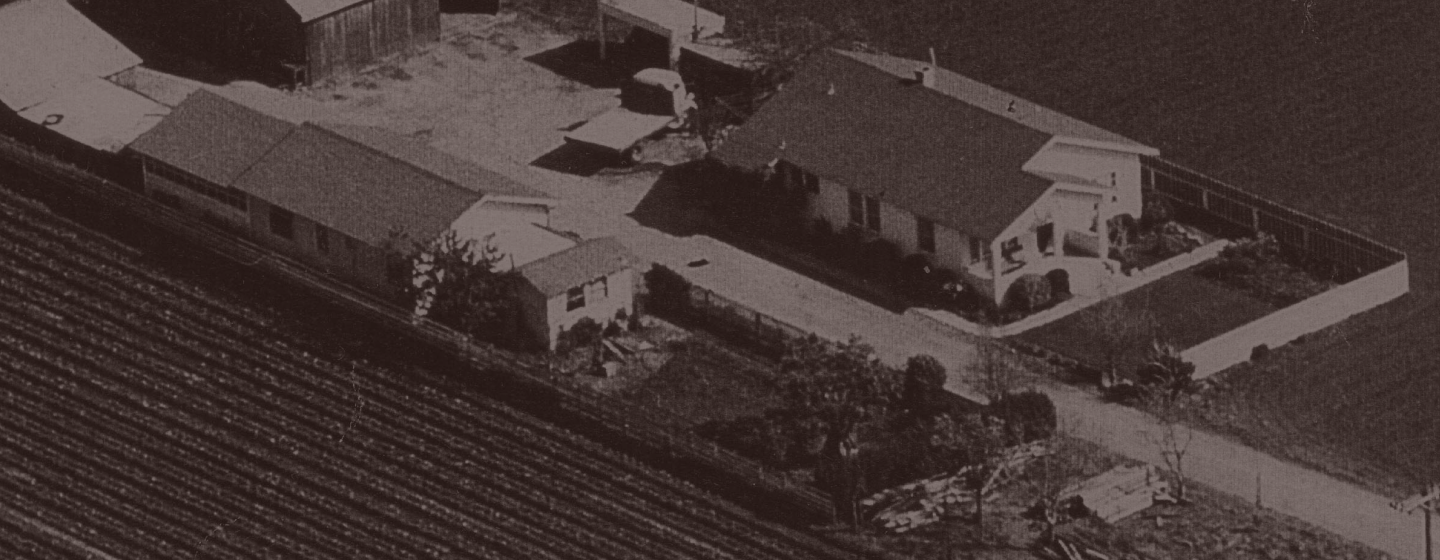
The Issei of the Salinas Valley
JAPANESE PIONEER FAMILIES
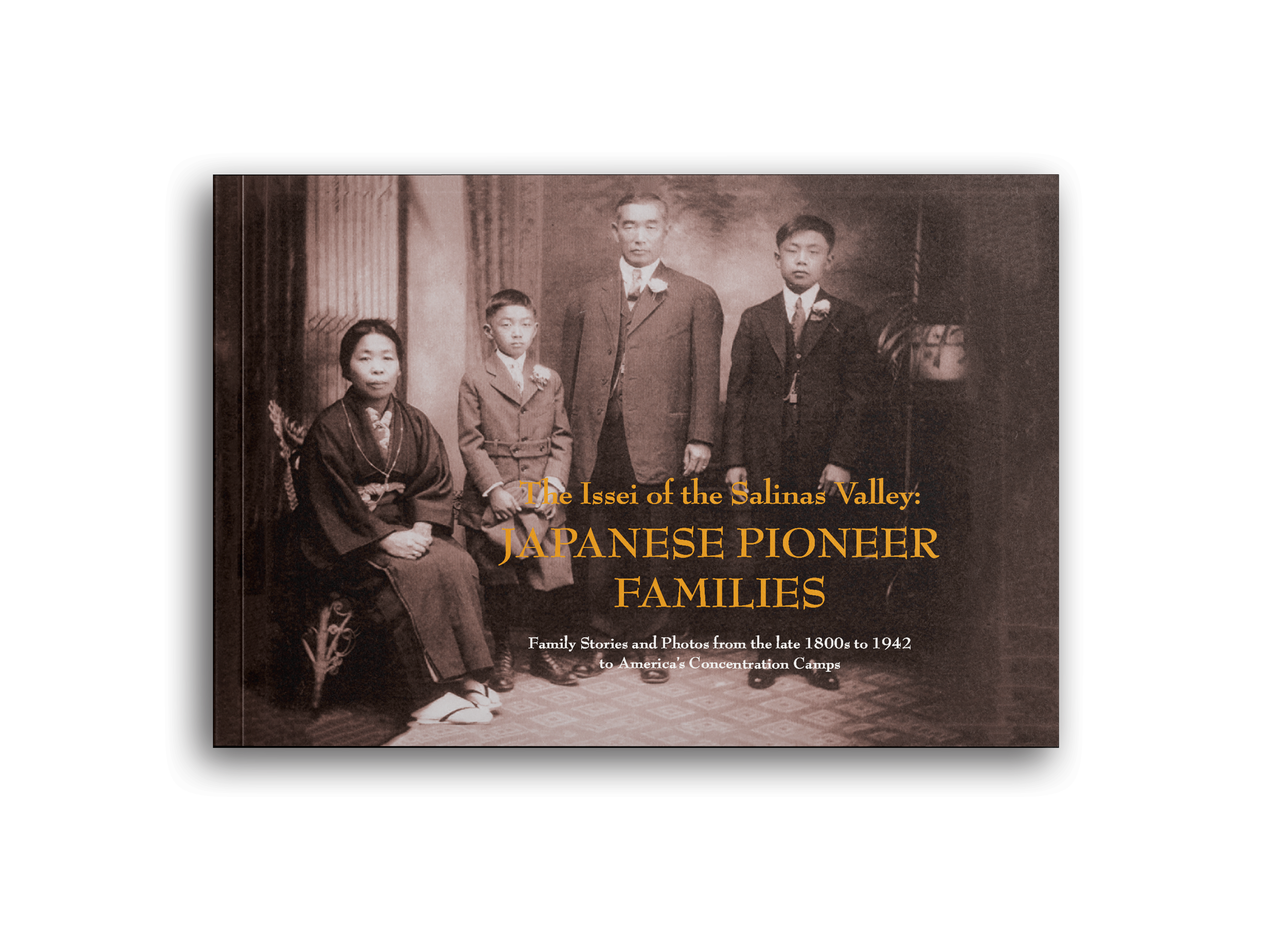
ABOUT THE BOOK
The Issei of the Salinas Valley: Japanese Pioneer Families is a powerful tribute to the first generation of Japanese immigrants (the Issei) to California’s Salinas Valley. Part history book, part time capsule, part family photo album, it paints a vivid portrait of the brave men and women who blazed a path to opportunity for their families in a new country.
More than 50 after the Issei and their families were imprisoned during World War II, Mae Sakasegawa began a quest to uncover the history of Salinas’s first Japanese families. She collected photos, conducted interviews and attended reunions to create a snapshot of each family, from the time they landed in California to the beginning of World War II.
Who were the Issei? Why did they come to the United States? How did they persevere and thrive in an unwelcoming environment? This book is dedicated to the powerful legacy of those Japanese pioneers.
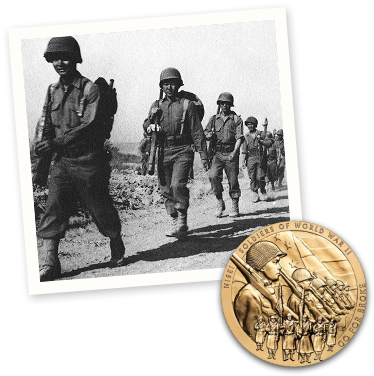
The legacy of Japanese Americans during World War II
The Salinas Valley Issei began emigrating from Japan in the late 1800s. They brought a strong work ethic and aspired to achieve the American Dream through a steadfast commitment to their families and community. Many of the Issei began as employees of the Spreckels Sugar Company, but quickly founded their own hotels, newspapers, restaurants and grocery stores. All of that progress was ripped away with the onset of World War II. Executive Order 9066 forced law-abiding Japanese Americans into concentration camps in 1942. They left behind businesses, homes, heirlooms and decades of family history, much of it never recovered.
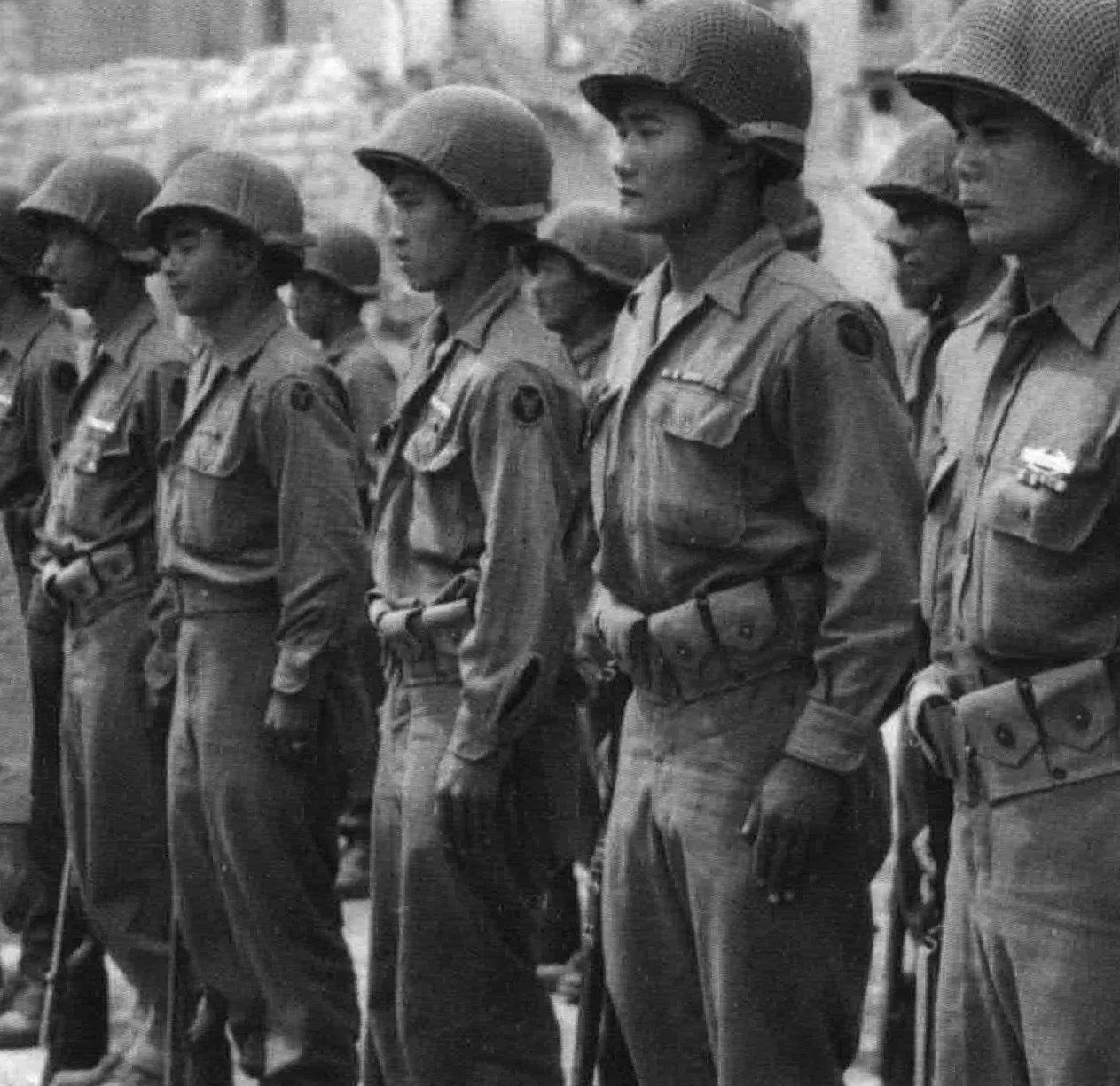
Despite the unfair internment of their friends and family, Japanese Americans courageously served their country in battle. The 100th Infantry Battalion/442nd Regimental Combat Team, made almost entirely of Japanese immigrant soldiers, is the most decorated unit in U.S. history for their size and length of service. Members of the 100th/442nd earned 18,143 individual decorations, including more than 9,500 Purple Hearts, 21 Medals of Honor and 7 Presidential Unit Citations. In 2010, the unit received the Congressional Gold Medal—the nation’s highest civilian award—for their extraordinary accomplishments.
In a 1946 White House ceremony, President Truman personally received the 100th/442nd and said, “You fought not only the enemy, but you fought prejudice—and you won.” Their patriotism underscores the ideal that America is a nation strengthened by its diversity, that all citizens are worthy of equal rights, regardless of race, religion or ethnicity.
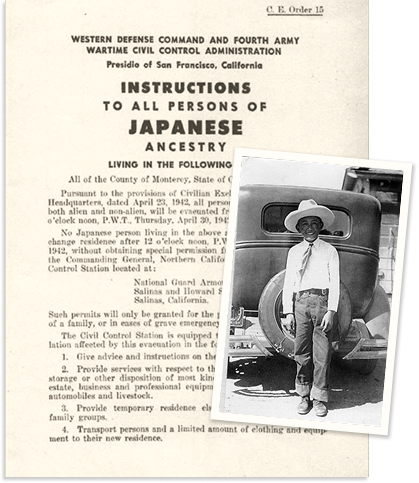
Timeline
1881

Immigration
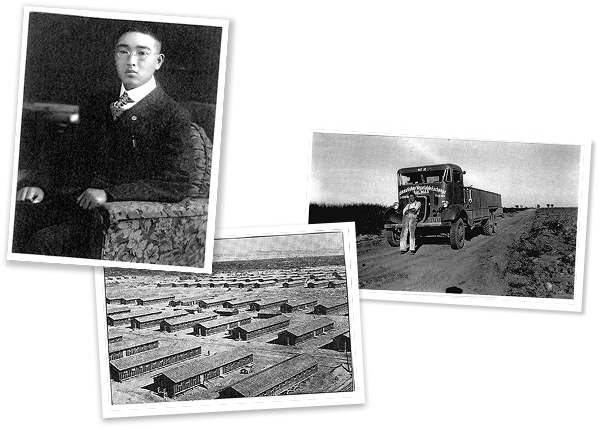
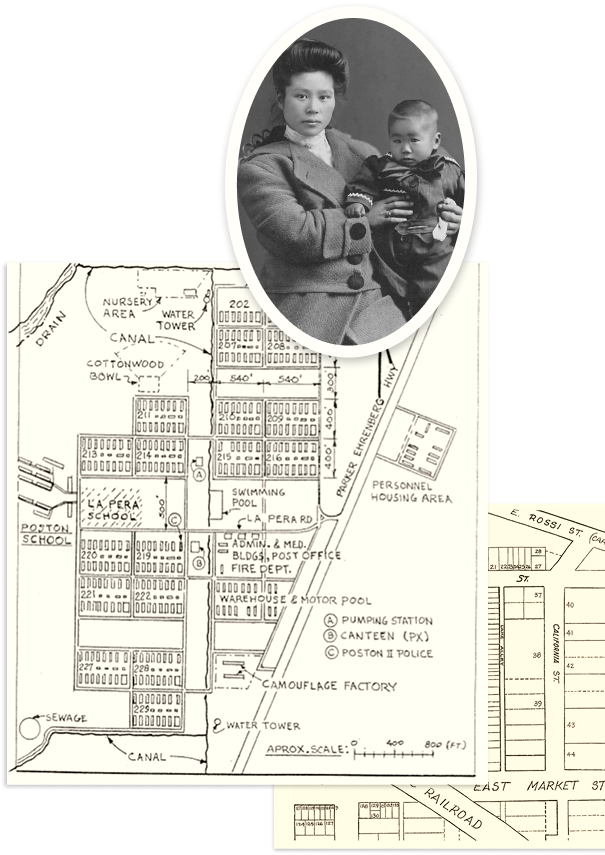
Japanese immigrants began moving to the Salinas Valley for work and education. Over the next 60 years, they established a thriving community of farmers, business owners, laborers and professionals.
1942
Imprisonment
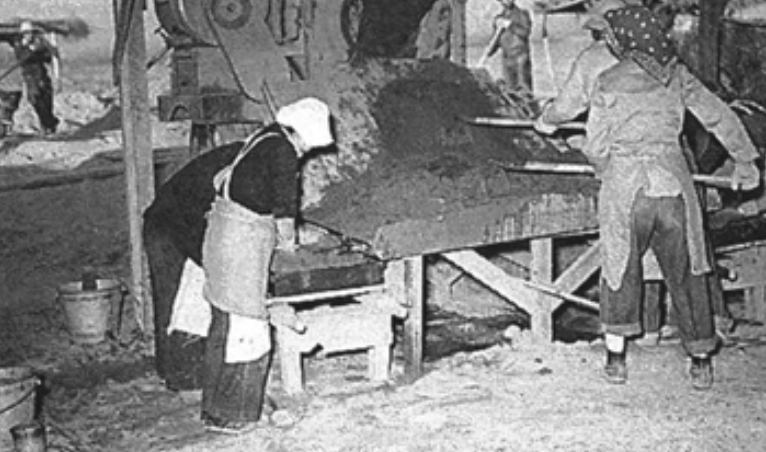
Following U.S. entry into WWII, President Franklin D. Roosevelt issued Executive Order 9066, mandating the internment of Japanese-American citizens. They were stripped of their possessions and forced into concentration camps in Poston, Arizona.
1943
Patriotism
With their families wrongfully detained, a unit of Japanese-American citizens bravely entered combat in the European and Pacific Theaters. Today, that unit is the most decorated in U.S. history for its size and length of service, later earning the Congressional Gold Medal.
1945
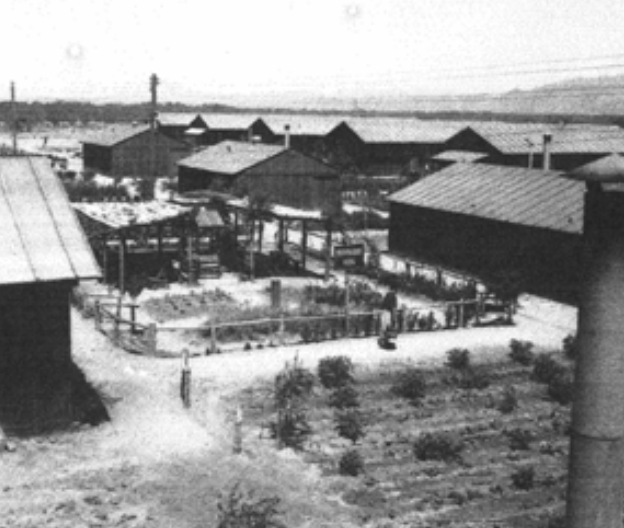
After the formal Japanese surrender and the end of WWII, the Poston concentration camps closed. Japanese-American prisoners were freed. Some relocated to Salinas to rebuild, while others looked for a fresh start in a new place.
Release
1988
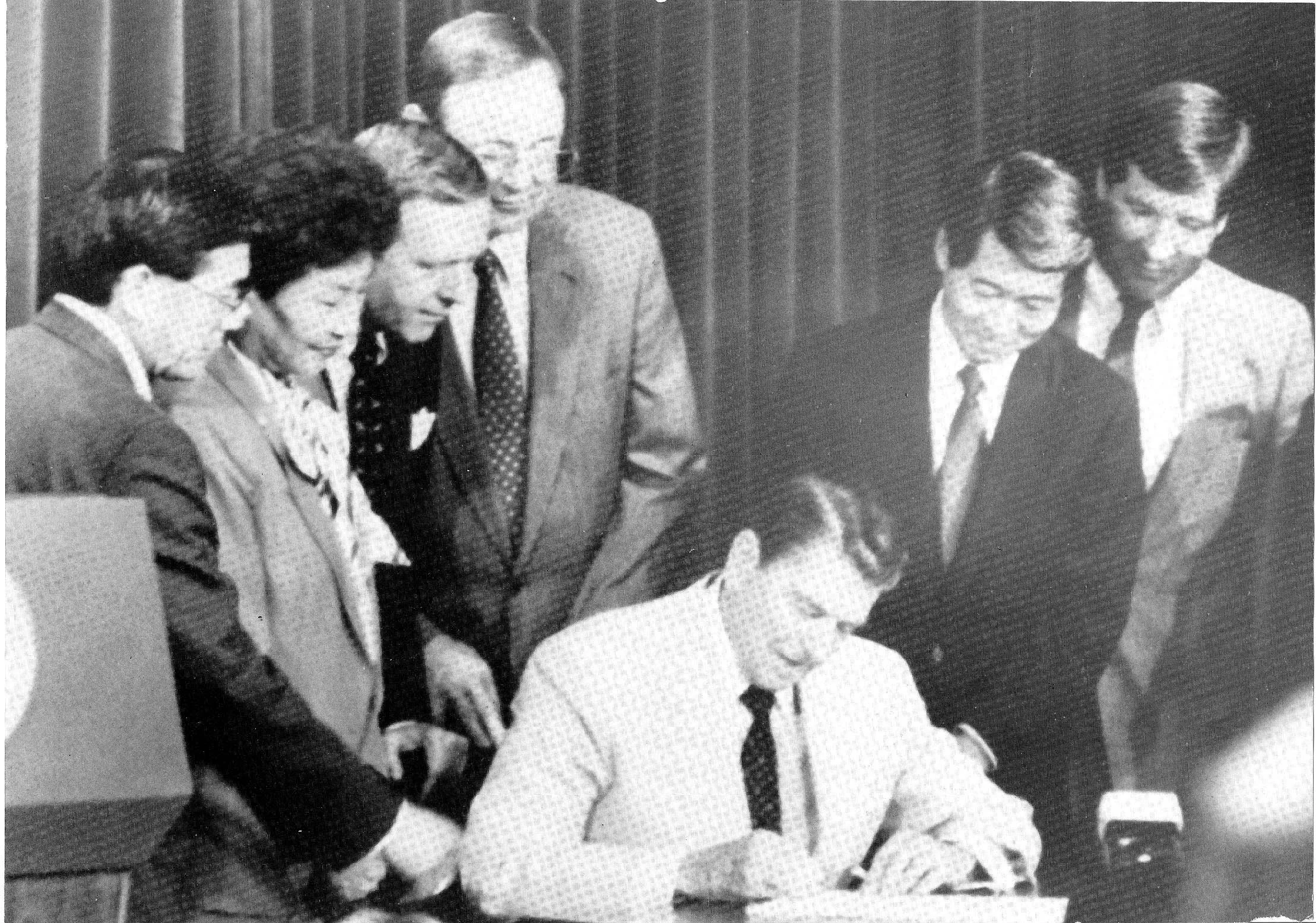
More than 45 years after their imprisonment, President Ronald Reagan signed The Civil Liberties Act into law. This included a formal apology and monetary reparations to Japanese Americans. Monuments were built to commemorate their loyalty and patriotism.
Vindication

About the author
Mae Sakasegawa had a long-standing interest in the history of the Japanese American community in Salinas, fueled by the years she and her family spent at Poston Internment Camp in Arizona during World War II. In the late 1990s, she began compiling personal records into a historical chronicle to honor the stories of the Issei pioneers. She was tenacious in her efforts and published the first volume in 2007.
Praise for the book
T. Eckert
“The contributions and patriotism of Japanese Americans, even in the face of the injustice is both impressive and inspiring.”
L. Kaneshiro
“It’s a wonderful picture history book with narrations of family, how life was, and the work these Japanese did.”
J. Turney
“The lessons we learn from this history will lay the foundation for all of our futures.”